LAMINATE / Web and desktop
In the browser,
or on your desktop.
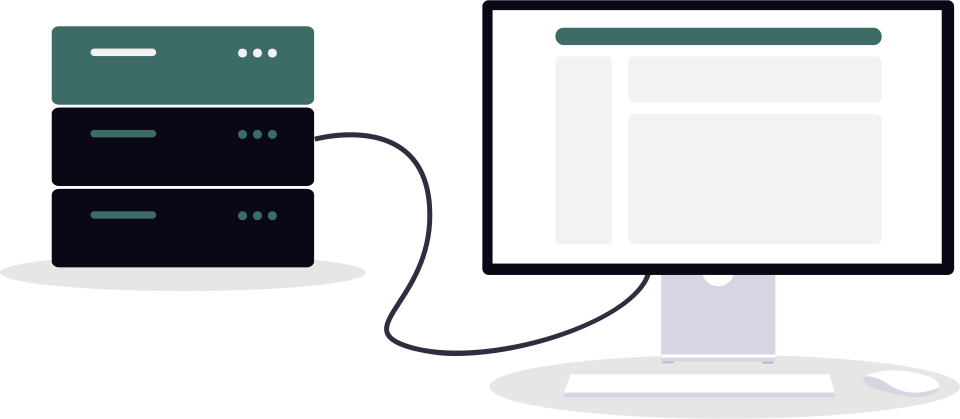
LAMINATE runs in the browser with nothing to install. The desktop app signs in with the same account and adds import from your own computer. Analyses run in the cloud either way.
Web app
- Sign in with a browser, nothing to install.
- Upload DICOM study archives (zip, rar, 7z or tar), or receive studies from your PACS.
- Run single timepoint and longitudinal analyses, review the results and generate reports.
- Owners and admins manage members, settings and the on-site gateway.
Desktop app
- For macOS (Apple Silicon and Intel), Windows (64-bit) and Linux (64-bit).
- Import a DICOM folder or a zip from your computer, upload it and start an analysis.
- Sign-in opens your browser and returns to the app; the device stays signed in.
- Updates itself when a new version is released.
Getting the desktop app
Sign in on the web
Use your LAMINATE account in the browser, as you do today.
Download it for your system
Choose your operating system on the download page, or use the banner in the web app.
Open it and sign in
The app opens your browser to confirm who you are and then brings you back.
Import and analyse
Choose a folder or zip of DICOM files, upload it, and start an analysis from the app.
Programmatic access
- Signed-in users can create API keys in their profile. A key acts as the person who created it.
- The web and desktop apps use the same REST interface: upload studies, start and follow analyses, download results and reports.
- There is no separate developer portal or published documentation yet. Ask us if you want to script a workflow.
what it does not do
Good to know
- Analyses run on cloud servers, not on your computer. The desktop app needs an internet connection and has no offline mode.
- The desktop installers are not code-signed yet, so macOS or Windows may ask you to confirm before opening them.
- Web and desktop use the same workspace, roles and permissions.
This application is intended for research and educational purposes only. It is not FDA-approved and should not be used for clinical diagnosis, treatment decisions, or patient care.